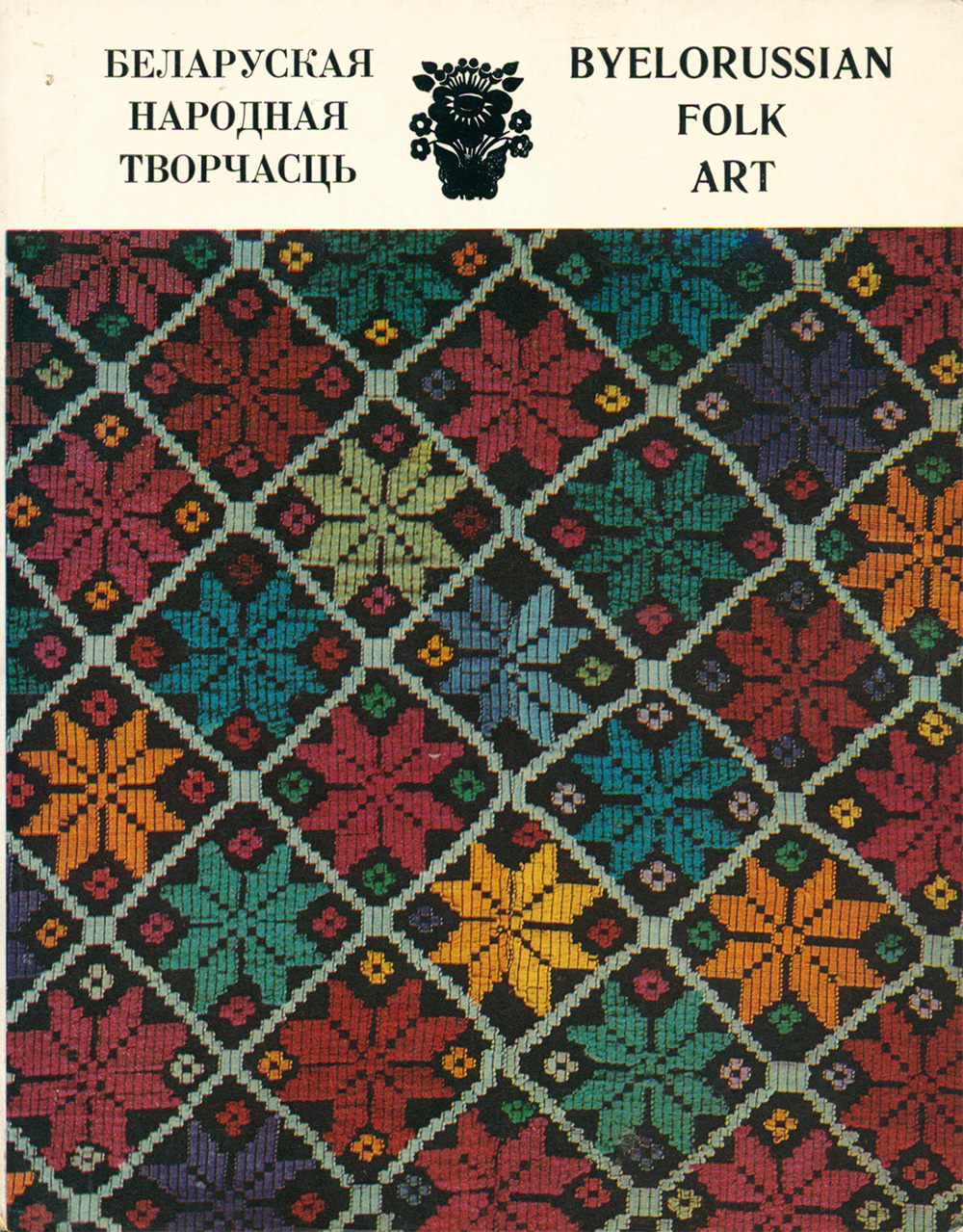
Беларуская народная творчасць / Byelorussian folk art
Выдавец: Беларусь
Памер: 52с.
Мінск 1975
А. ПУПКО. «ПАСТУХ».
A. PUPKO. «А SHEPHERD;
C. ЖЫГАЛКІН. «НЕСЦЕРКА» S. ZHIGALKIN. «NESTERKA».
БАНДАРНЫЯ ВЫРАБЫ (Брэсцкая вобласць).
COOPER’S ARTICLES (Brest Region).
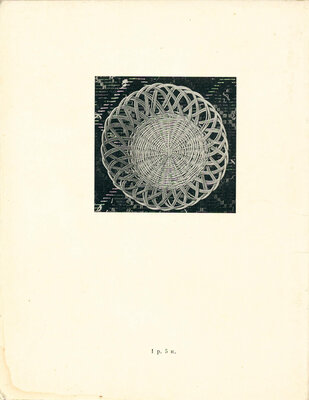
МАЙСТАР ПЛЯЦЕННЯ 3 ЛАЗЫ Н. ЛІЦЮК (Гродна). N. LITYUK, A MASTER OF WILLOW WEAVING (Grodno).
гіа тэрыторыі Беларусі здаўна плялі з лазы вялікія і малыя кошыкі, ^^ шэлі, мэблю — крэслы, сталы, ложкі, дзіцячыя калыскі... А з лыка рабілі пе толькі лапці, але і зручныя невялікія сумачкі з лірычнай назвай «варэнька».
Часта лаза спалучалася з саломай, і тады атрымоўваліся моцныя, прыгожыя па колеру каробкі для захоўвання прадуктаў, зручныя, лёгкія севалкі, вялікія кублы для зерня.
Пляценне з лазы, лыка, бяросты — рамяство нескладанае, хатняе. 1м звычайна валодалі амаль усе вясковыя жыхары.
Зараз з лазы робяць невялікія дэкаратыўныя кошыкі, сумачкі для жанчын, хлебніцы і проста кашолкі для хатніх патрэб.
Але ж у большасці выпадкаў гэта ўжо не хатнія прадметы першан неабходяасці, а вырабы сувенірныя, зручныя і прыгожыя.
Ажурнасцю ўзору, строгай рытмікай перапляценняў вылучаюцца творы Аляксандра Быкава, Нікана Ліцюка, Сяргея Прышчэпы, Валяпціны Цітраковай, Галіпы Клыч і мпогіх іншых таленавітых майстроў.
Baskets, large and small ones, bags and furniture — chairs, tables, beds and cradles •—have been woven of willow in different parts of Byelorussia for ages. Lapti (bast sandals) were but not the only article woven of bast, they also made small bags lirically called «verenkas».
Willow was often interlaced with straw, which made it possible to weave small boxes, solid and very expressive in colour, for storing up food, handy and light sevalki (Bast baskets used for carrying grain during handsowing.—Translator’s note.) as well as large boxes for storing up grain. Willow, bast and birchbark weaving is simple, the socalled cottage craft. Practically it was common to every countryman. Nowadays willow is woven into small decorative baskets, handbags of different shapes, breadand fruitbaskets, and other kinds of baskets for everyday use.
Yet most of these pieces, which once used to be mere household articles, have already become souvenir articles, elegant and handy ones.
The pieces pro luced by Alexandre Bykov, Nikon Lityuk, Sergei Prishchepa, Valentina Tsitrakova, Galina Klich and many other talented craftsmen are distinguished by the fineness of ornament and the rhythmic flow of interlacing.
СУВЕНІРНЫЯ ВЫРАБЫ 3 ЛАЗЫ I БЯРОСТЫ.
SOUVENIR ARTICLES MADE OF WILLOW AND BIRCH BARK.
ПЛЯЦЕННЕ 3 ЛАЗЫ I ЛЫКА. ARTICLES WOVEN OF WILLOW AND BAST
РОСШС ПА ДРЭВУ (с. Огава)
PAINTINGS ON WOOD (The village of Ogovo).
Беларускае народнае распісванне дайшло да нас у выглядзе асобных вырабаў саматужных раместваў. У канцы XIX — першай чвэрці XX стагоддзя ў многіх раёнах Віцебшчыны, Гродзеншчыны, Брэстчыны распісвалі летнія і зімовыя парадныя выезды (вазкі, лінейкі, дугі), дамашнюю мэблю, прасніцы і іншыя прадметы. На зялёным, блакітным, а часам карычневым фонах маляваліся буйныя стылізаваныя кветкі, сюжэты з народнага жыцця, птушкі, нават ільвы. Але ж у 30—40я гады нашага стагоддзя, калі гэтыя прадметы выйшлі з хатняга ўжытку, амаль усюды знікае і распісванне.
Сёння яшчэ сустракаюцца сундукі і шкатулкі, распісаныя ў вёсках пінскага Палесся: Огава, Шарышава, Крамно, Спорава. Паверхня куфраў, размаляваных огаўскімі майстрыхамі Лідзіяй і Таццянай Доўгер, дзеліцца рамкамі, унутры якіх змешчаны вялікія стылізаваныя кветкі чыстага, гучнага колеру.
У апошні час элементы традыцыйнага народнага распісвання выкарыстоўваюцца майстрамі мастацкіх промыслаў у размалёўках сувенірных шкатулак, куфраў, дэкаратыўных пано. Цікавае па свайму характару распісванне па шклу. Колер у ім яшчэ больш насычаны. Размалёўкі, не трацячы стылізацыі і ўмоўнасці, робяцца больш вытанчанымі і разнастайнымі.
The history of the Byelorussian folk art of painting is represented by separate articles of folk crafts. In the end of the 19th and the first quarter of the 20th centuries in many parts of the Vitebsk, Grodno and Brest regions they painted summer and winter turnouts (sleighs, brakes, shaftbows), furniture, hand looms and other objects. Stylized drawings of flowers in flowerpots, scenes from human life, birds, and even lions were painted on a green, blue and sometimes brown ground. But in the 30ies — 40ies of the current century a great deal of these household articles got out of use, and the art of painting almost completely disappeared, too.
Nowadays, you can still come across chests and caskets painted in the villages of Ogovo, Sherishevo, Kremno and Sporovo situated in Polesye near the city of Pinsk of the Brest Region (Polesye— a vast area ofmushridden lands, covered with dense forests, in the southwest of Byelorussia.— Translator’s note.). The surface of the chests painted by Lidia and Tatyana Dovgers, dexterous artists from the village of Ogovo, is covered with framed stylized patterns of bunches of flowers painted in pure and bright colours.
At present, several elements of traditional painting are borrowed by craftsmen of the Art Handicraft Industry to paint souvenir caskets, small chests and decorative panels. Paintings on glass are also interesting in character, their colouring is more intense, and the decoration, though retaining its stylized schemes and conventional character, becomes more refined and diverse.
'*5.. .
РАСПІСНЫ КУФАР (Брэсцкая вобласць).
ОГАУСКІЯ РАСПІСНЫЯ КУФРЫ.
PAINTED CHESTS FROM OGOVO.
ІНКРУСТАЦЫЯ КАЛЯРОВАЙ САЛОМКАЙ (Жлобін). ARTICLES INLAID WITH COLOURED STRAW (Zhlobin).
Інкрустацыя каляровай саломкай займае адно з вядучьіх месц сярод народных мастацкіх раместваў Беларусі. Вялікія куфры і маленькія разпа•стайныя шкатулачкі — прамавугольныя, прадаўгаватыя, круглыя, дэкаратыўныя талеркі і пласціны з кампазіцыямі на тэмы народнага жыцця, упрыгожаныя арнаментальным узорам, ведаюць далёка за межамі рэс публікі.	„	тт • ■
Майстры інкрустацыі каляровай саломкай Ігнат Клачкоўскі (г. п. Дзівш Брэсцкай вобласці), Вера і Міхаіл Дзегцярэнкі (Жлобін Гомельскай вобласці) і іншыя тонка адчуваюць дэкаратыўньія магчымасці матэрыялу, які патрабуе спецыфічнай стылізацыі. Кампазіцыі з каляровай саломкі часта пераклікаюцца з арнаментыкай ручнога ўзорпага ткацтва. На глы■бокім чорным ці цёмнакарычневым фоне звычайная саломка раптам набывае чысты моцны колер.	о	.
У апошні час работы беларускіх майстроў, асабліва /Клобінскай фабрыкі іпкрустацыі, дасягнулі высокай дэкаратыўнай і кампазіцыйнай заверша■пасці. Шкатулкі робяцца пераважна паліхромнымі, усё больш прыгожымі, вытанчанымі.
The art of incrusting articles with coloured straw is one of the most popular handicrafts in Byelorussia. Large chests and small caskets of different shapes — rectangular, oblong and rounded, decorative plates and panels ■with ornaments representing scenes from human life are known far beyond the Republic’s borders. Ignat Klochkovsky from the settlement of Divin (Brest Region), Vera and Mikhail Degtyarenkos from the town of Zhlobin (Gomel Region) and many other masters of inlaid work have an expert sense for the material to be employed for the purpose of decoration, which demands a specific mastery of the style. Ornamental designs formed of coloured straw often have much in common with those characteristic of woven .articles. Plain straw on a deepblack or deepbrown ground becomes pure and bright in colour.
The pieces produced by Byelorussian masters of inlaid work in recent years, especially those made at the Zhlobin factory of inlaid work, are beautifully finished in decoration and composition. Caskets have become mostly poSychromatic, more beautiful and elegant.
ШКАТУЛКІ ЖЛОБШСКІХ МАЙСТРОУ.
CASKETS MADE BY MASTERS FROM ZHLOBIN.
СУВЕНІРНЫЯ ВЫРАБЫ МАЙСТРОЎ ШКЛОЗАВОДА «НЁМАН».
SOUVENIR ARTICLES MABE BY MASTERS OF THE «NEMAN» GLASS WORKS.
Гутнае шкло пародных майстроў Беларусі, якія працуюць на базе шклозавода «Нёман», шырока вядома. Гэта шкло атрымліваюць шляхам свабоднага выдзімапня, без ужывання форм. Яно вылучаецца плаўнай цякучасцю ліній, бліскучай паверхняй, прыгожым зіхценнем адценкаў, блікаў. Беларускія майстры дасканала валодаюць тэхнікай гутнай апрацоўкі шкла. Тонкае пачуццё матэрыялу, разуменне яго пластычных і аптычных уласцівасцей, умелае іх выкарыстанпе дазволіла Георгію Лінкевічу, Рамуальду Багінскаму, Анатолю Федаркову стварыць высокамастацкія творы. Гэта і прадметы утылітарныя — вазы, попельнічкі, цукерачніцы — і арыгінальныя дэкаратыўныя кампазіцыі. 3 сапраўдным артыстызмам выканана сувенірная серыя Лінкевіча — «Белавежская пушча». Цікавыя па формах і дэкору вырабы Федаркова: наборы для соку, дэкаратыўныя вазы, блюды з каляровага і бясколернага шкла, дэкарыраванага крэалітавай, так званай «нёманскай» ніткай, надзвычай прыгожыя, вытанчаныя. Многія вырабы майстроў атрымалі дыпломы і медалі рэспубліканскіх і ўсесаюзных выставак народнай творчасці і ВДНГ СССР, Усесаюзнага конкурсу майстроўгутнікаў.
The blown glass of the Byelorussian craftsmen working at the Neman Glass Works is farfamed. This socalled guta glass («Guta» is the word of local origin for the kind of furnace used by blowers.—Translator’s note.), obtained by the blowandblow method with no moulds being used, is distinguished by the even flow of shape, the transparent glitter of surface and the exquisite gamut of colours and hues.
Byelorussian glassmakers perfectly master the technique of guta glassblowing. An expert sense for the material, its plastic and optical qualities together with the great skill of making the best use of these qualities let Georgy Linkevich, Romuald Bogynsky and Anatoly Fedorkov produce pieces of great artistic merit. These are both utilitarian articles — vases, ashtrays, sweetbowls and sugarbasins — and original decorative compositions.
Of great artistic merit is the «Byelovezhskaya Pushcha», a set of souvenirs made by Linkevich. Interesting in form and decoration are the items created by Fedorkov. Juicesets, decorative vases, dishes of stained and plain glass, covered with creolite fibre, are extremely beautiful and elegant. Many masters of Byelorussian glassmaking have been awarded diplomas and medals for their works at Republican and AllUnion exhibitions of folk art, at the U.S.S.R. Exhibition of Economic Achievements and AllUnion Competitions of masters of blown glass.
 КНІГІ ОНЛАЙН